

History: Faculty Bookshelf
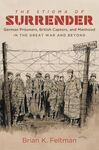
The Stigma of Surrender: German Prisoners, British Captors, and Manhood in the Great War and Beyond
Contributors
Georgia Southern faculty member, Brian Feltman authored "The Stigma of Surrender: German Prisoners, British Captors, and Manhood in the Great War and Beyond."
Files
Download Full Text
Abstract
Approximately 9 million soldiers fell into enemy hands from 1914 to 1918, but historians have only recently begun to recognize the prisoner of war’s significance to the history of the Great War. Examining the experiences of the approximately 130,000 German prisoners held in the United Kingdom during World War I, historian Brian K. Feltman brings wartime captivity back into focus.
Many German men of the Great War defined themselves and their manhood through their defense of the homeland. They often looked down on captured soldiers as potential deserters or cowards — and when they themselves fell into enemy hands, they were forced to cope with the stigma of surrender. This book examines the legacies of surrender and shows that the desire to repair their image as honorable men led many former prisoners toward an alliance with Hitler and Nazism after 1933. By drawing attention to the shame of captivity, this book does more than merely deepen our understanding of German soldiers' time in British hands. It illustrates the ways that popular notions of manhood affected soldiers' experience of captivity, and it sheds new light on perceptions of what it means to be a man at war.
Publication Date
8-25-2016
Publisher
The University of North Carolina Press
ISBN for this edition (13-digit)
9781469633510
ISBN for additional format (13-digit)
9781469619941
Copyright
See the publisher's copyright and reuse policies.


